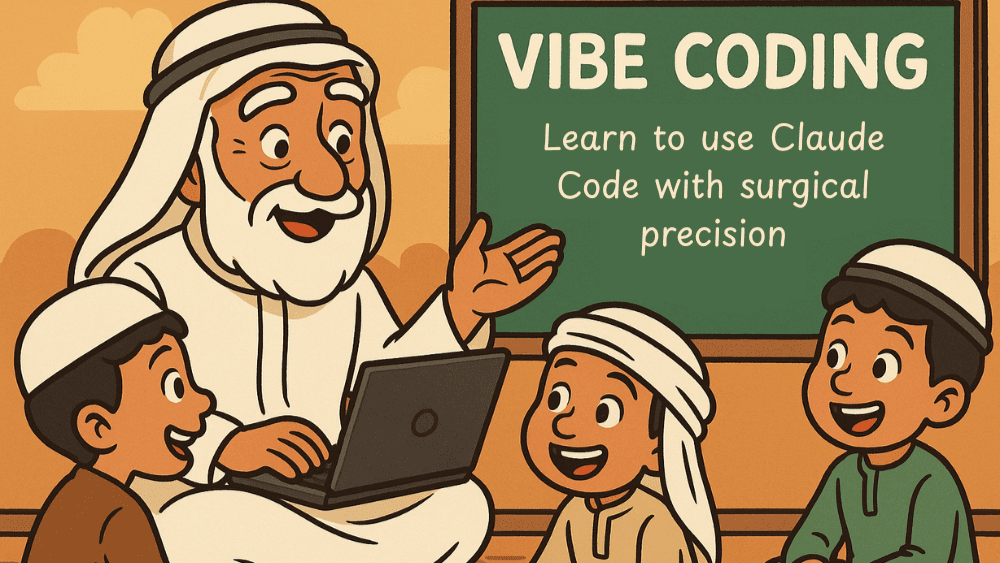
The emergence of vibe coding marks a new era in software development, where AI agents, tools, and protocols collaborate seamlessly to accelerate product delivery. Instead of one‑off prompts, developers now orchestrate context‑aware systems that integrate frontends, backends, debugging, and refactoring into a unified workflow.
This transformation is not just technical—it represents a global synergy in how coding is practiced. Developers across regions can now share standardized workflows, repositories, and style guides, ensuring consistency and efficiency. GitHub repositories such as Context Engineering Template, Awesome Vibe Coding, and Vibe Coding Workflow provide frameworks for predictable AI‑driven development, enabling teams worldwide to prototype faster and deliver higher‑quality products.
From a synergy perspective, vibe coding bridges cultural and geographic divides. Teams in Asia, Europe, and the Americas can adopt shared rulebooks, Kanban orchestration, and sandboxed environments, aligning their practices while respecting local needs. This collaborative model reduces fragmentation and fosters a collective innovation ecosystem.
The implications are profound:
- Efficiency: MVPs can be built in hours, not months.
- Consistency: Rulebook AI and style guides ensure predictable outputs across diverse teams.
- Safety: Tools like VibeKit provide secure, isolated environments for AI agents.
- Reliability: Oversight systems such as Vibe Check MCP improve agent alignment and reduce harmful actions.
Ultimately, vibe coding exemplifies how AI can create synergy across borders, transforming software development into a truly global practice. For Sinergi Global Media, the lesson is clear: innovation thrives when context, collaboration, and responsibility converge.